
Executive Summary
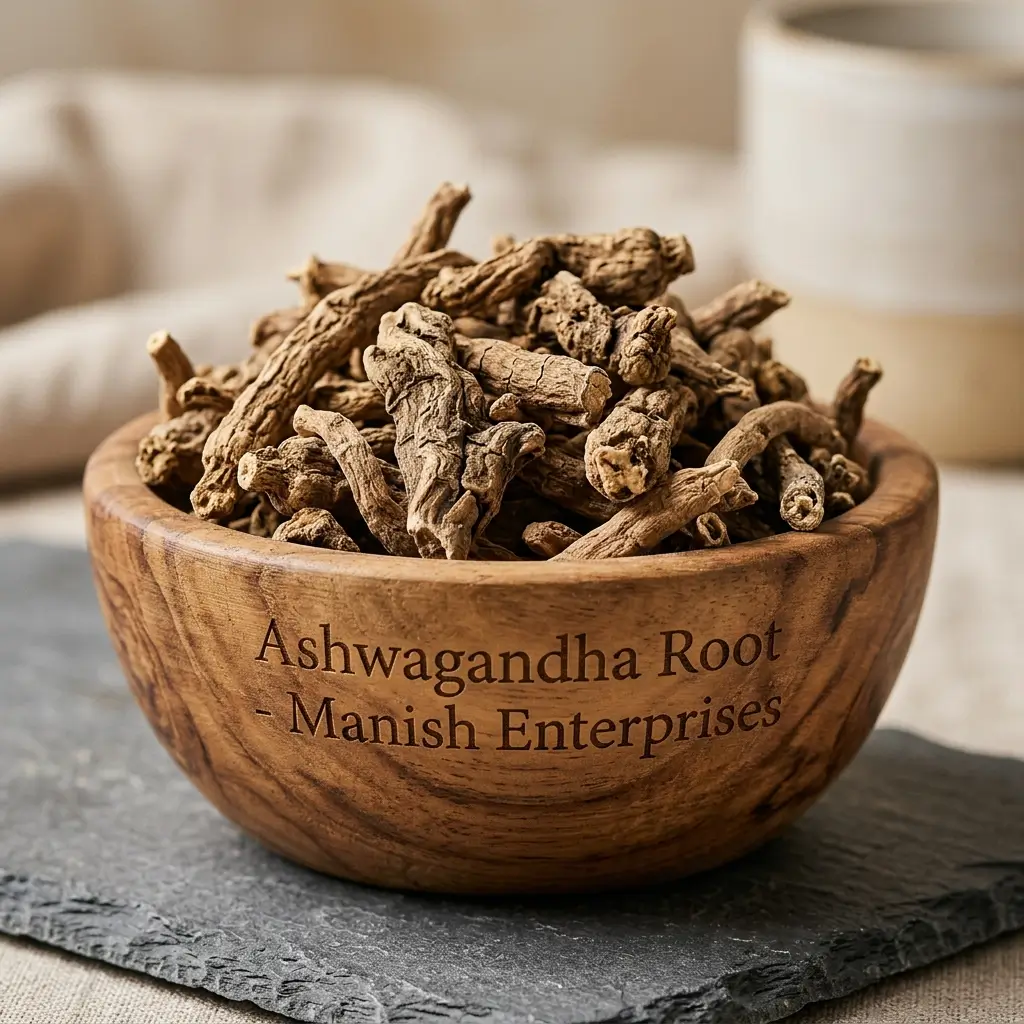
Whether procuring 500 kg of Ashwagandha Root for an Ayurvedic churna or 20 Metric Tons of Senna Leaves for European solvent extraction, successful B2B procurement hinges on 5 pillars: primary mandi provenance, optical Sortex cleaning, verified moisture benchmarks, transparent statutory documentation, and reliable freight forwarding.
Need Live Spot Prices for Bulk Herbs from India?
Connect with our Mandi trading desk at Shop No. 7, Krishi Upaj Mandi, Neemuch for today's auction rates.
1. Understanding the Indian Botanical Supply Chain
India’s herbal raw material supply chain operates across three distinct procurement channels:
- APMC Agricultural Mandi Auctions: The primary transparent marketplace where regional farmers bring fresh, seasonal harvests. Regulated by state Agricultural Produce Market Committees (APMC), these terminal markets provide the highest volume and sharpest spot pricing. Neemuch in Madhya Pradesh is the crown jewel of medicinal plant mandis.
- Wild Forest Collection: Sourced by tribal and forest communities across Central India (Madhya Pradesh, Chhattisgarh, Odisha) for wild herbs like Giloy stems, Chirayata, and Harad.
- Contract Farming Programs: Dedicated cultivation agreements for high-value export crops like organic Chia seeds, Quinoa, and specialized cultivars of Isabgol.
2. Key Agricultural Mandi Hubs in India
Procuring herbs from middleman brokers in metropolitan trading centers (Delhi Khari Baoli or Mumbai APMC) typically incurs a 15% to 30% price markup and increases transit age. Shrewd purchase managers partner directly with licensed stockists located at primary origin mandis:
The Neemuch Mandi Cluster (Madhya Pradesh)
Handling over 80,000 MT of medicinal herbs annually, Neemuch is India's principal terminal auction for Ashwagandha, Isabgol, Kalonji, Ajwain, Fenugreek, Safed Musli, and Senna. Sourcing directly from Shop No. 7 at Neemuch Mandi connects buyers directly to farm-gate lots.
3. Critical Documentation Checklist for B2B Buyers
Before dispatching funds or placing a purchase order, audit your Indian botanical vendor against this statutory documentation standard:
23ANGPB2995Q1ZK) with correct HS Code classification (e.g., 1211.90 for medicinal plants, 0910.99 for seeds).4. Quality Standards: What to Specify in Your RFQ
Vague orders like "Send 1 ton Ashwagandha" frequently result in substandard shipments containing stem fragments, excessive dirt, or high moisture. Always specify:
- Moisture Cap: Require moisture below 7.0% to 8.5% (tested via loss on drying at 105°C) to prevent mold growth in godowns.
- Mechanical Cleaning Grade: State whether you require raw lot, machine-cleaned, or 99.5% Sortex optical cleaned.
- Physical Cut Specification: Whole roots, 1–3 inch chips, Tea Bag Cut (TBC 1.0–2.5 mm), or micro-pulverized 80–100 mesh powder.
- Active Marker Assays: Request HPLC assay verification (e.g. Withanolides >1.5%, Sennosides >2.0%, Thymoquinone retention).
5. Packaging & Transit Spoilage Prevention
Herbs are hygroscopic biological materials. Poor packaging causes moisture absorption, mold proliferation, and volatile oil evaporation during extended ocean transit.
Ensure your supplier utilizes multi-wall kraft paper bags with food-grade LDPE liners for fine powders, or double-stitched HDPE woven bags for whole seeds and roots. For bulk international export, hydraulically pressed bales wrapped in poly-lined hessian fabric protect leaf botanicals like Senna from transit compression damage.
Partner Directly with Neemuch Mandi Stockists
Manish Enterprises eliminates intermediaries by operating directly from Shop No. 7, Mandi Prangan, Neemuch. We provide verified Sortex cleaning, statutory documentation, and sample lots for quality inspection.